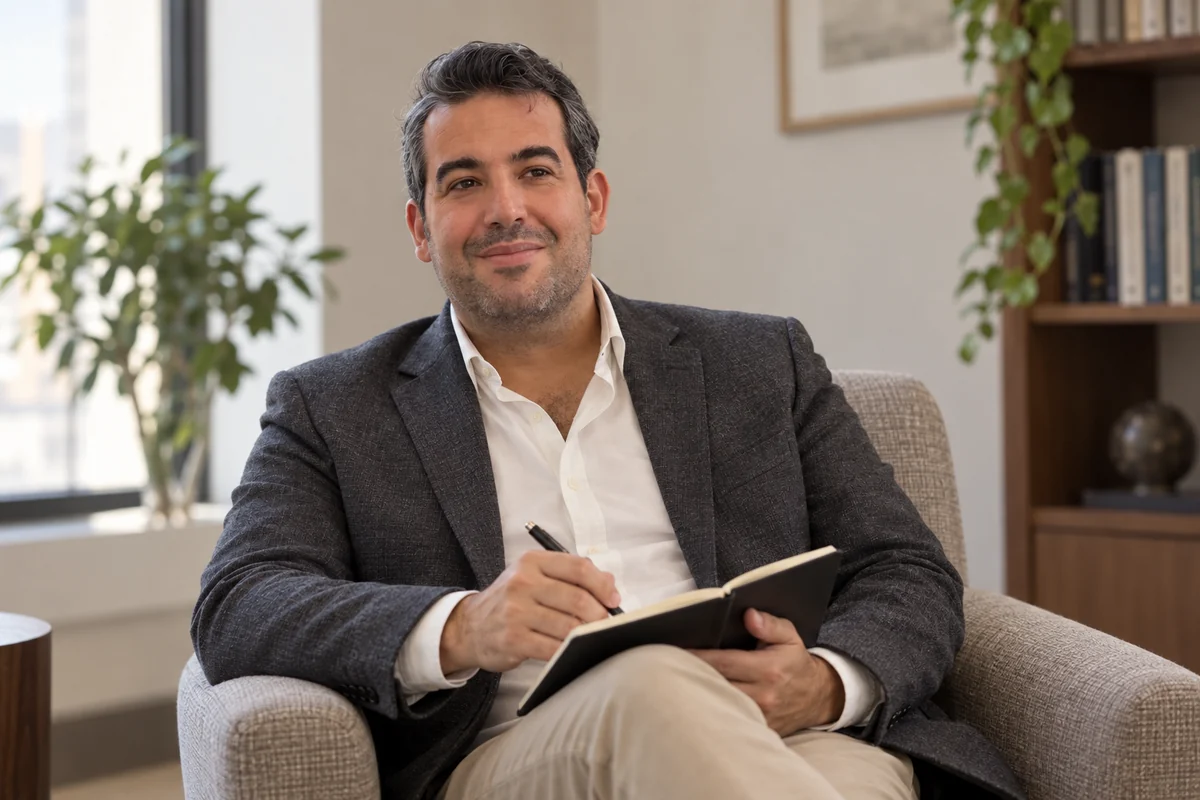
Carlos Cuadrado
Gómez-SerranillosLaw & Forensic Sciences
Madrid · Cases throughout Spain

Forensic psychologist in Madrid

Forensic psychology provides specialist assessment where a case raises questions about psychological harm, abilities or witness evidence. Working as a forensic psychologist in Madrid, Carlos Cuadrado Gómez-Serranillos considers instructions throughout Spain, with a defined purpose and findings proportionate to the available information.

Discuss my case
Carlos Cuadrado Gómez-Serranillos · Forensic psychologist in Madrid · Editorial composition
Editorial composition
Practice areas

The person within the legal question.

An assessment is planned around the issue to be examined, the person's circumstances and the relevant background. Interviews, records and psychological instruments are selected for that purpose. The report distinguishes information supplied by others, findings obtained during the assessment and the professional interpretation of those findings.

An existing report may also be reviewed to examine how its conclusions were reached and what limitations apply. Expert work remains independent of the interests of the person commissioning it. The service is an assessment for legal proceedings and does not include psychotherapy or clinical follow-up.

Psychological harm and functioning

Assessment of reported psychological difficulties, their development and everyday effects, considering background and concurrent circumstances when examining the relationship that can be supported with the events relevant to the case.

Mental state and criminal responsibility

Assessment of psychological abilities and mental-state factors relevant to criminal responsibility, with reference to the period in question. The report provides expert findings; the legal determination remains a matter for the court.

Psychology of witness evidence

Analysis of how an account was obtained, interview conditions and relevant memory factors, explaining the assessment's scope and limitations without presenting a psychological opinion as a means of establishing truth.

Response validity

Examination of response consistency and its relationship with other sources, considering validity indicators and alternative explanations. No single finding is treated as conclusive evidence of feigning or of a person’s honesty.

Review of psychological reports

Examination of instrument selection, use of sources and interpretation of findings in an existing report, identifying the reasoning behind its conclusions and the limitations relevant to the particular legal question.

Before we begin

Frequently asked
questions.

Is a forensic assessment a therapy session?

Its purpose is to address the psychological questions defined in the instruction through assessment and, where appropriate, a report. That purpose and the intended use of the information are explained beforehand. The service does not provide psychotherapy or clinical follow-up.

Can a psychological report establish whether someone is truthful?

A psychological assessment cannot certify the truth of an account. It may examine memory, interviewing and the conditions in which information was obtained, together with relevant limitations. The report must explain what was assessed and what the available findings support.

Is a personal interview always necessary?

That depends on the specific question. Reviewing an existing report may involve documents alone, while assessing a person may require direct contact and psychological instruments. The instruction should identify the approach and explain its limitations clearly before the assessment begins.

Professional consultation

Let’s discuss
what is at stake.

Discuss my case